Explore concepts
AI-assisted imagery can help communicate an early direction when a written description alone is hard to evaluate. Treat the result as a proposal to inspect and revise.
The short answer
Dzine is associated with AI-assisted visual creation: developing an image idea, trying variations, and refining the result. Searches for its logo, furniture, and video uses point to different creative goals, not one interchangeable workflow.

4 min read
The useful definition is a workflow rather than a promise about any particular control or output.
A practical image-design workflow moves from intent to iteration to review. The steps below describe the creative process, not a verified list of Dzine interface controls.
Describe the subject, audience, mood, and intended use. A request for a furniture mood board needs different details from a request for a logo concept.
Use a description or suitable reference image where the chosen tool supports it. Compare variations for composition and style instead of treating the first result as final.
Check small details, legibility, and visual consistency. Revise the direction or finish the work elsewhere if the concept is not ready for its intended use.
A general definition only takes you so far. These pages address specific goals people associate with dzine.
These are requirements for a useful creative brief, not claims about mandatory fields in dzine.
Without every one of these the route does not run.
A clear subject and intended use for the image
State whether you need a rough concept, a presentation visual, or a design reference.
Criteria for judging whether the result works
Include details such as composition, readability, or fidelity to a source object.
Permission to use any reference image you provide
Check rights and privacy before using someone else's material.
Skip any of these and the route still works — they only make it faster.
A mood board or a few style references
References can make feedback more specific, but an original written brief can also work.
Think of dzine as a route into visual exploration, not as a substitute for every stage of design or production.
AI-assisted imagery can help communicate an early direction when a written description alone is hard to evaluate. Treat the result as a proposal to inspect and revise.
Comparing compositions or styles can reveal which direction fits a brief. Availability of a specific editing control depends on the current product, so verify it directly.
An appealing picture does not establish factual accuracy, usable typography, ownership, or production readiness. Those decisions remain with the person using the image.
The common thread is a need to see an idea before committing to a finished design.
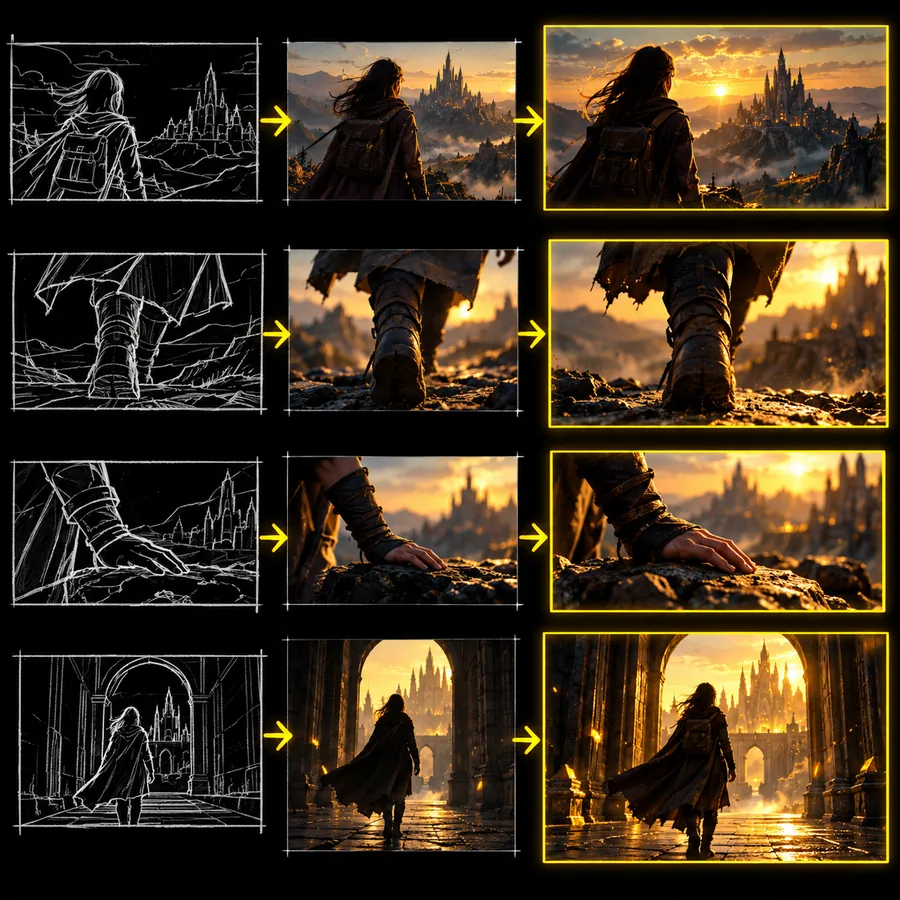
A creator preparing a campaign or presentation may need several ways to express the same idea. Dzine-related image workflows are most relevant at this exploratory stage, when composition and mood matter more than a final production file. A useful brief names the audience and asks what each variation should communicate.
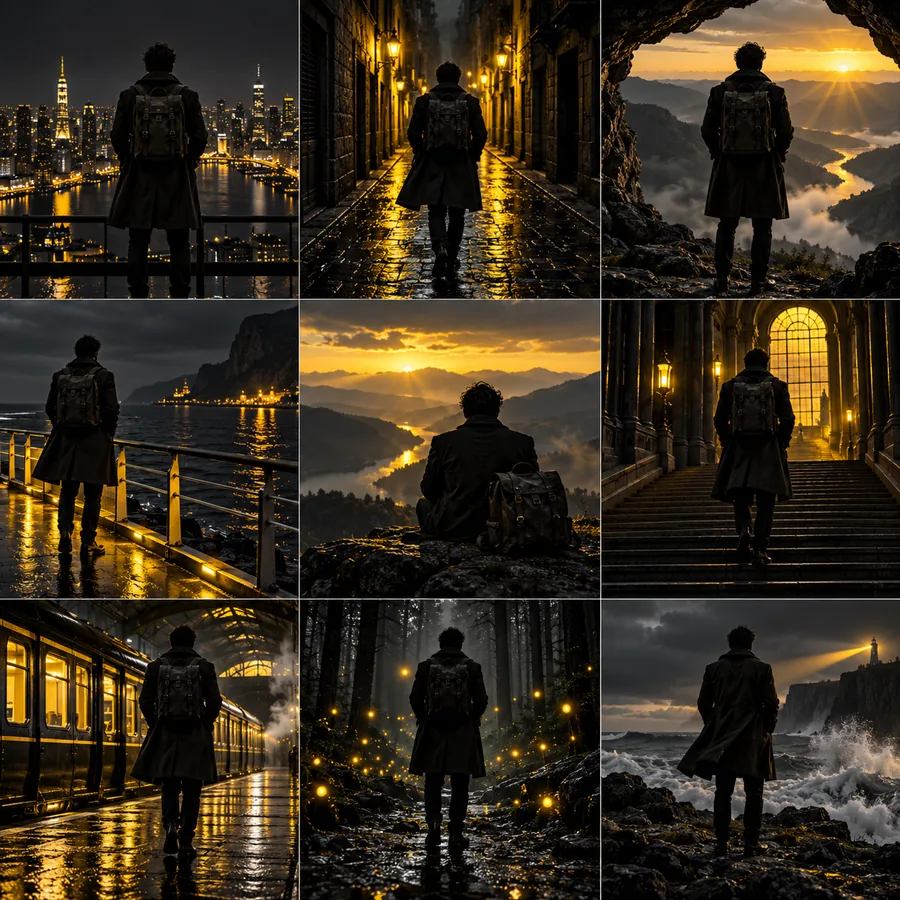
A logo or interior concept has constraints beyond looking attractive. Someone exploring dzine for these tasks should check whether an image remains legible, whether depicted objects make sense, and whether the result can be developed for its real setting. Concept imagery helps start that conversation; it does not settle it.
If the definition matches your goal, explore the linked image-creation workspace with a specific subject and a way to judge the result. Check its current capabilities and terms there; features associated with dzine should not be assumed to carry over.
Explore image creationDzine is associated with AI-assisted image design and visual concept development. People explore it for image-focused ideas, but the appropriate workflow depends on what they want to make and the product's current capabilities.
An early visual concept is a useful way to understand its role. Even when an image looks polished, review its details, rights, and suitability before treating it as a finished asset.
A logo concept, a furniture visual, and a general illustration all begin with a visual goal, but each has different standards. The shared idea is image exploration; the checks needed before use are specific to the project.
Decide what the image must communicate and how you will judge success. If you plan to use a reference image, also check that you have permission to provide it.