dzine
Independent guide, not the official Dzine site. Partner links open SupaVisual—a separate image-only editor. No prompt or upload is transferred; image generation is paid.

Moving-image ideas

Plan a moving scene with dzine ai video in mind

A convincing video idea needs more than an attractive frame: it needs an action, a viewpoint and a clear sequence. Use this guide to plan those decisions without assuming that every image tool offers video generation.

Example brief: Describe a scene

A lone cyclist pauses beneath a glowing street sign at dusk, cinematic wide shot, rain on the pavement

SupaVisual supports still images, not video generation. The example brief will not follow the link. Explore still-image editing
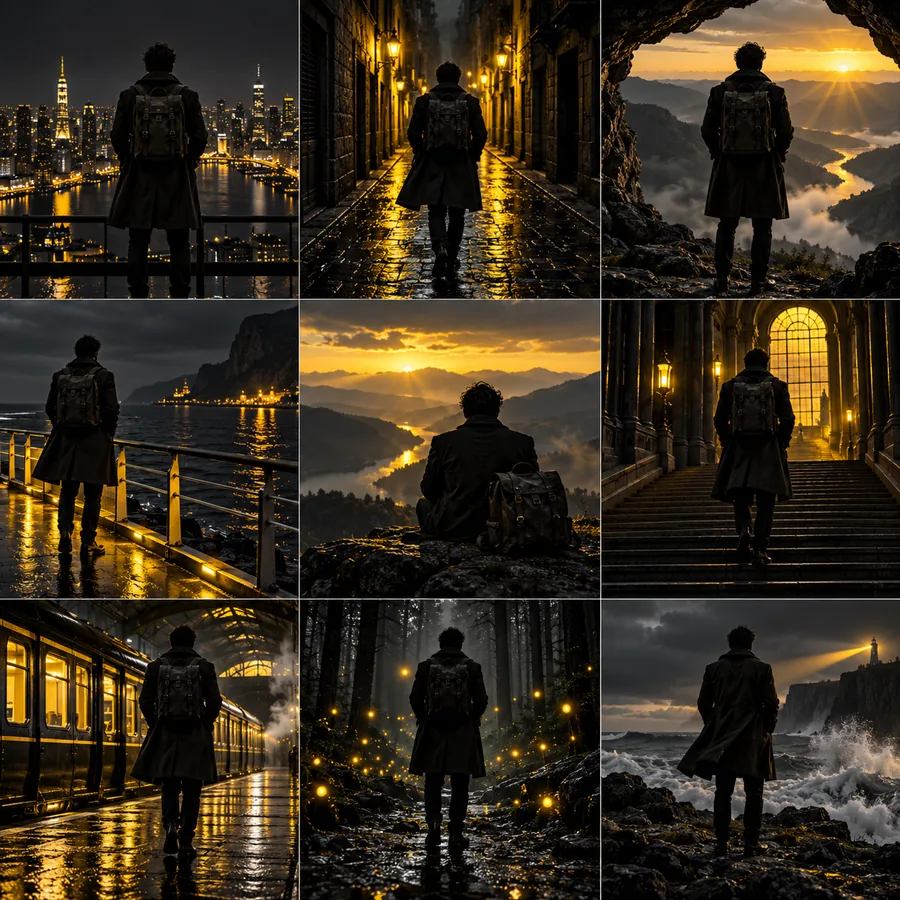
Illustrative visual concept for planning a cinematic scene

This entry point vs the general one

An image prompt describes what a frame looks like. A moving-scene brief must also explain what changes between frames.

Illustrative image showing a composed visual scene Still frame
01

The general image entry point

For a still image, concentrate on subject, setting, composition and lighting. A useful result can communicate the whole idea in one frame. Treat it as a visual reference, not proof that a particular video effect, duration or export option is available.

  • Describe the subject and environment.
  • Choose a camera angle and lighting mood.
  • Judge the result as a single image.
Illustrative image suitable for a moving-scene reference Scene brief
02

The moving-scene entry point

A video brief adds an opening state, an action and an ending state. If a person turns toward a window, say where they begin, what prompts the turn and what the camera should reveal. Those details make the idea easier to assess, even when you are first developing it with still-image references.

  • Name the action rather than only the subject.
  • Specify whether the camera moves or stays fixed.
  • Decide what must remain consistent.

The 3 things only it does

These are the three questions a moving-image brief must answer that a single-frame brief can leave open.

  1. 1

    Describe change

    State the visible action in plain language: the curtain opens, the subject steps forward or the light fades. Replace vague directions such as “make it dynamic” with an event a viewer could identify.

  2. 2

    Direct the viewpoint

    Say whether the shot is wide or close and whether the camera holds, pans or follows. Keep the direction simple enough to evaluate against a visual reference; competing camera instructions can obscure the main action.

  3. 3

    Protect continuity

    List the details that should not change during the action, such as clothing, room layout or time of day. For a multi-shot idea, repeat those details in each shot brief rather than relying on an earlier description.

How to start

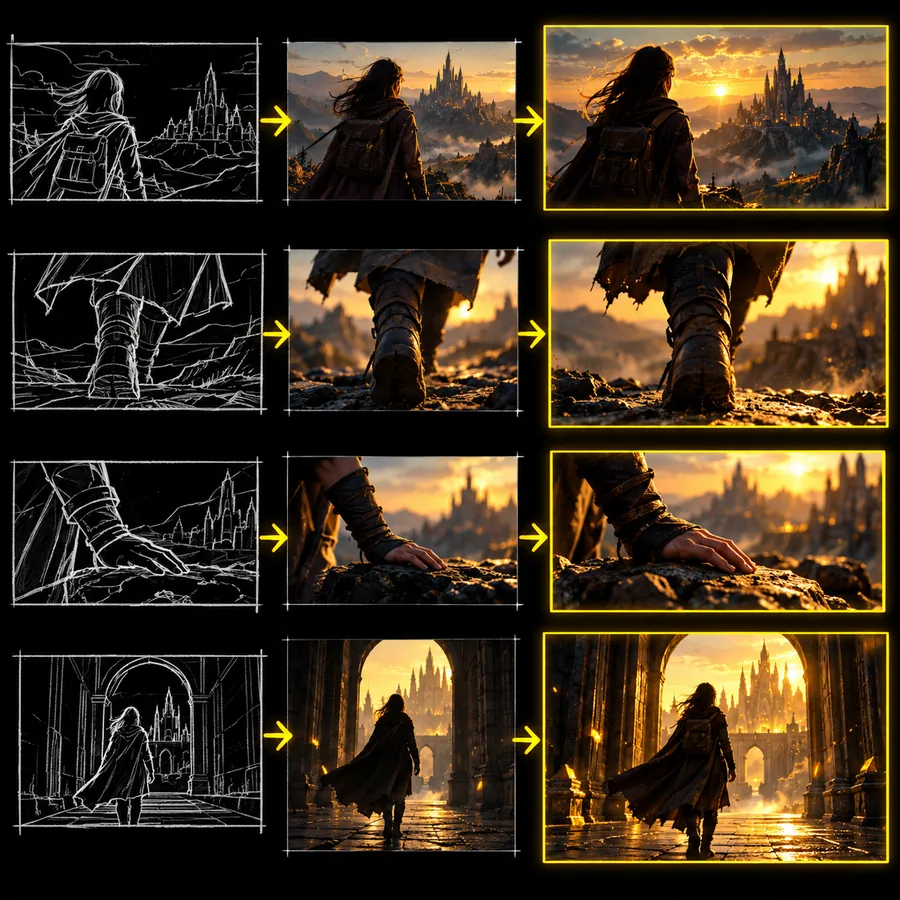
Choose one short scene, make a reference frame, then write the action separately. These starting points keep the scope manageable.

Brand designer

Begin with a product on a plain surface. Describe one movement, such as a slow change in viewpoint, and decide which logo details must stay legible.

A clear still reference helps separate the product's appearance from any motion you may want to explore. For identity-focused artwork, see dzine ai logo.

dzine ai logo

Character creator

Write a close-up around one expression and one spoken line. Keep the face and lighting consistent before considering mouth movement.

This produces a more specific brief for dialogue-led work. For questions centered on matching speech and mouth movement, see dzine lip sync.

dzine lip sync

Social content planner

Sketch an opening frame for a short announcement, then describe what enters the frame and where the viewer's attention should end.

A defined start and finish make the concept easier to discuss with collaborators. For a separate look at creating the graphic identity, see dzine ai logo.

dzine ai logo

Limits

A strong brief improves clarity, but it does not establish which video capabilities a particular service currently supports.

Verify the current tool before committing

This page does not establish that dzine offers a specific video model, editing control or export format. Check the current product interface and documentation for those details. The creative handoff on this page opens a separate visual tool, so do not treat its available features as dzine features.

Confirm the available workflow.
Check supported inputs and outputs.
Review any usage conditions shown by the service.

Expect the reference to need review

A compelling still does not guarantee that its details will remain stable through motion. Pay particular attention to hands, text, branded marks and objects that move behind one another. If those details matter, identify them explicitly in the brief and inspect any resulting sequence.

Keep the subject description consistent.
Watch for changes in small details.
Review transitions as well as individual frames.

Plan for work beyond the initial concept

A scene idea may still need editing, sound, permissions and a format suitable for its destination. Decide where the result will appear before setting expectations for framing or length. When using recognizable people, products or locations, make sure you have the appropriate rights.

Identify the intended audience and placement.
Leave room for editing and sound.
Check rights before publishing.

Its own FAQ

Start with the subject, setting and opening frame. Add one visible action, a camera direction and the details that should remain consistent. Check the current tool's instructions before assuming it accepts that brief as a video prompt.

It can establish the look, but it usually leaves motion unspecified. Add what happens first, what changes and how the shot ends so the intended sequence is clear.

An existing image can help communicate composition, color and character details. Whether you can upload it or use it to generate motion depends on the specific tool and its current input options.

No. No verified format or duration details are available in the supplied evidence. Consult the current product documentation or interface before planning a deliverable around a particular specification.

A scene brief covers action, setting and camera viewpoint, while lip sync focuses on matching visible mouth movement to speech. A dialogue scene may involve both concerns, but they should be assessed separately.

Explore SupaVisual image tools